Milton’s Additional Residential Unit registry is a separate step from the building permit used to build or legalize the unit. It records units for public safety, by-law compliance and emergency response. The Town requires new and existing ARUs to register, even when the space is used by family or no rent is paid. As currently published, an owner applies, pays an initial per-unit fee, arranges a Town inspection and receives a one-year compliance certificate if approved. Annual renewal then keeps the record current. The process should be checked again at application time because fees and pilot rules can change.
Which spaces are ARUs?
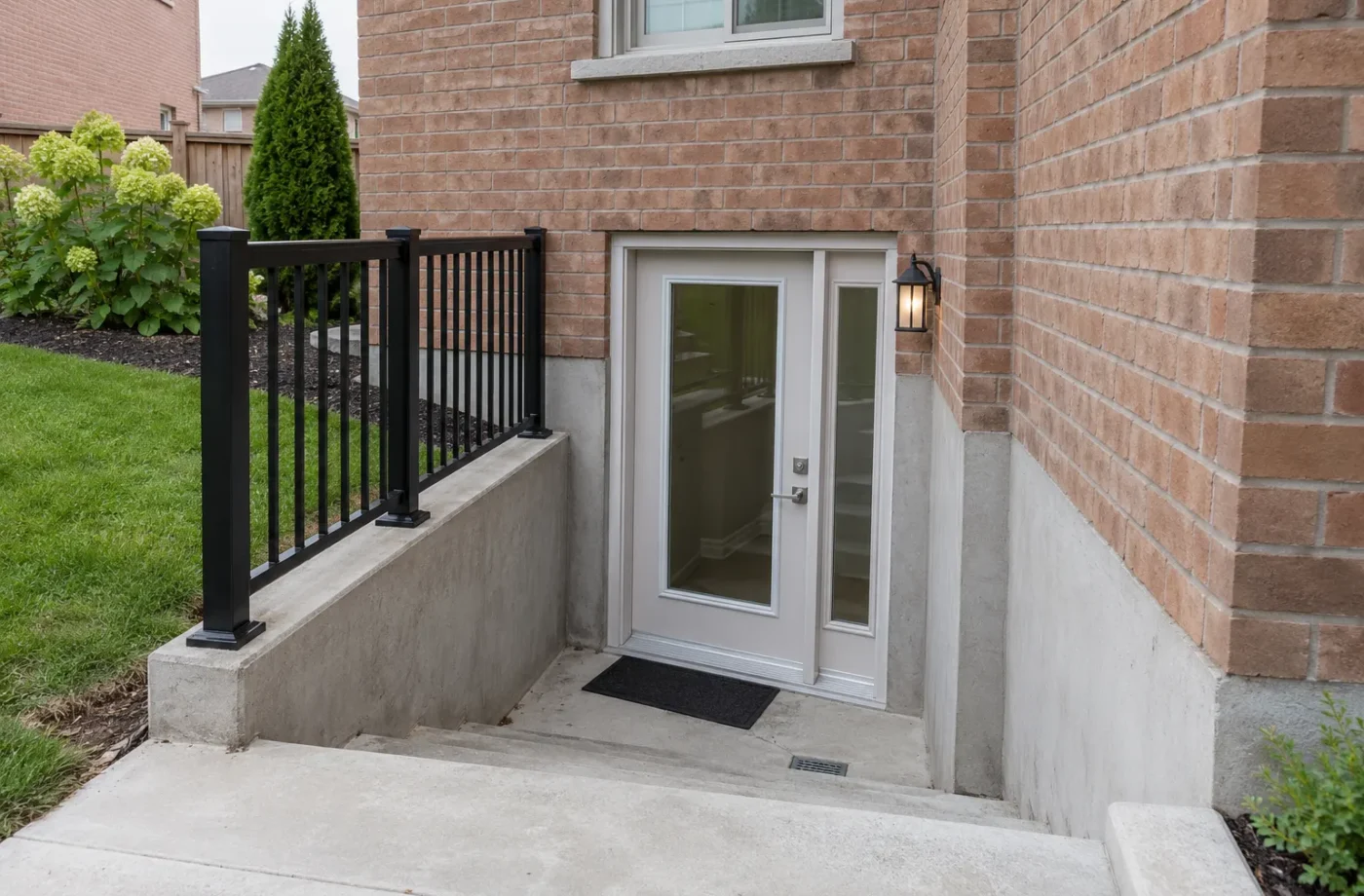
Milton describes an ARU, also called an Additional Dwelling Unit, as a self-contained living space on the property of a primary home. A basement apartment is one example; a qualifying detached unit can be another. The presence of a family member does not change the registration obligation for an actual ARU. If the classification of an existing basement is uncertain, gather the layout and intended use and discuss it with the Town. Do not rely on a listing term such as “in-law suite” to determine the municipal status.
Who needs to register?
The Town’s current guidance says all new and existing ARUs must register, with no grandfathering exemption. That includes previously built units and units used by family. A past building permit does not register the ARU automatically. A previously occupied or long-rented unit does not become exempt because it was in use before the registry began. Owners should obtain the Town’s current record for their property and address missing or expired registration directly rather than assuming an older approval covers the operating requirement.
Start with the property and documents
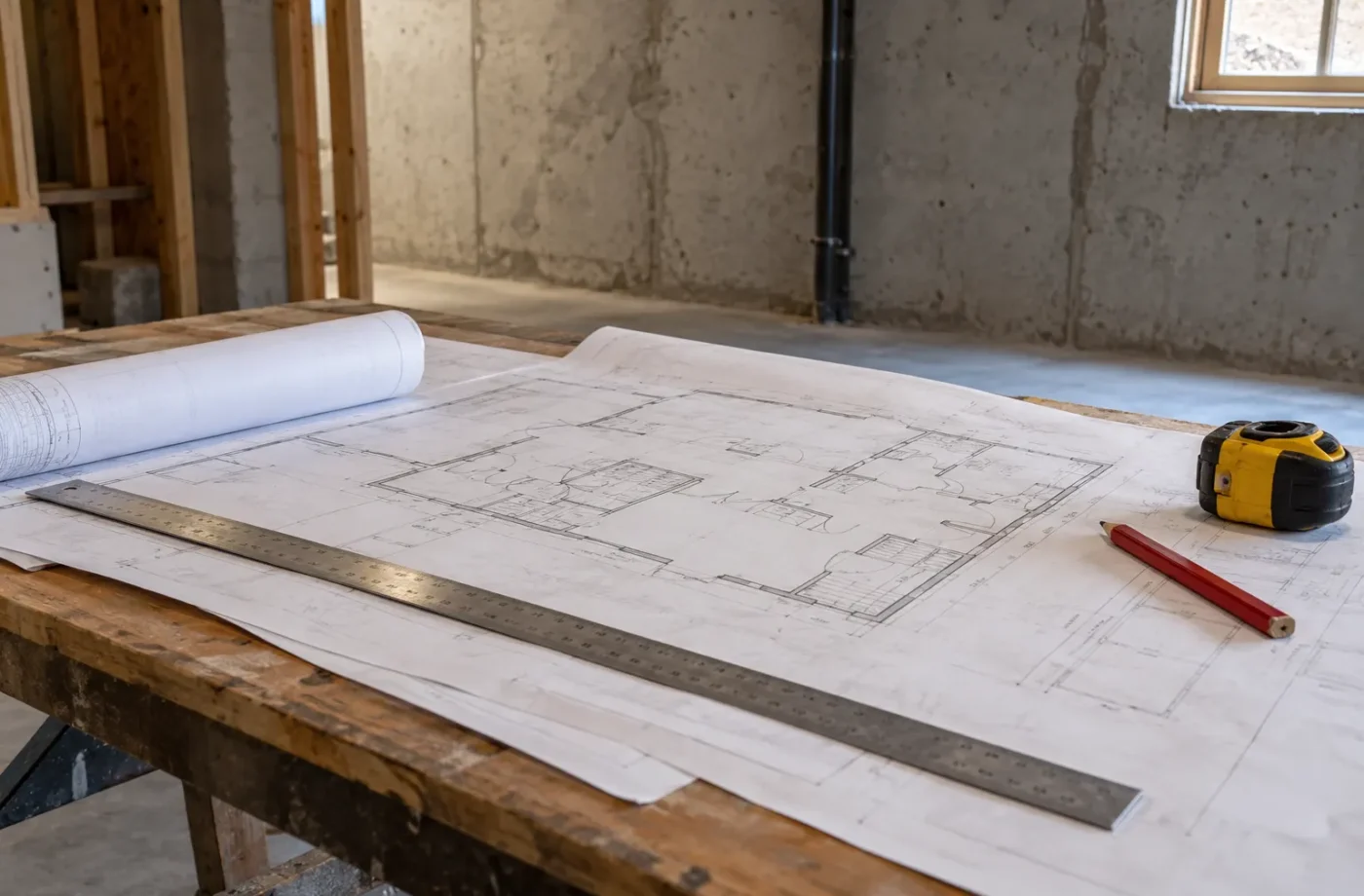
Have the civic address, owner contact details and configuration of all dwelling units ready. The Town’s registry by-law calls for a floor plan showing unit layout and room uses and may request other records. Gather building permits, approved drawings, inspection status and ESA electrical documents if available. The registry application does not make undocumented construction disappear; those records can help distinguish what has already been reviewed from questions requiring a separate building or electrical path. If an existing apartment was altered, identify the changes honestly.
Submitting and paying
Milton currently offers an online registry application and an in-person option at Town Hall. The initial registration fee is $340 per ARU. The Town says inspections are scheduled after payment is received, so submission alone should not be treated as a booked visit. Follow the current payment instructions and retain confirmation. A building-permit fee covers a different municipal review; paying it does not satisfy the separate registry fee. If multiple units are proposed, confirm the application and payment requirements for each actual ARU.
Scheduling with an occupant
The Town says the registry visit is arranged for a time that works for the applicant and tenant, when occupied, and that the owner or applicant must be onsite. Plan access to the unit and other required areas without treating the occupant as an afterthought. The published Town page says most inspections take about 30 minutes, but scheduling and follow-up can vary. Clear storage from the furnace room and sump access and make sure doors can be opened. Confirm the appointment and instructions with the Town rather than guessing what will be reviewed.
What the Town says it may inspect
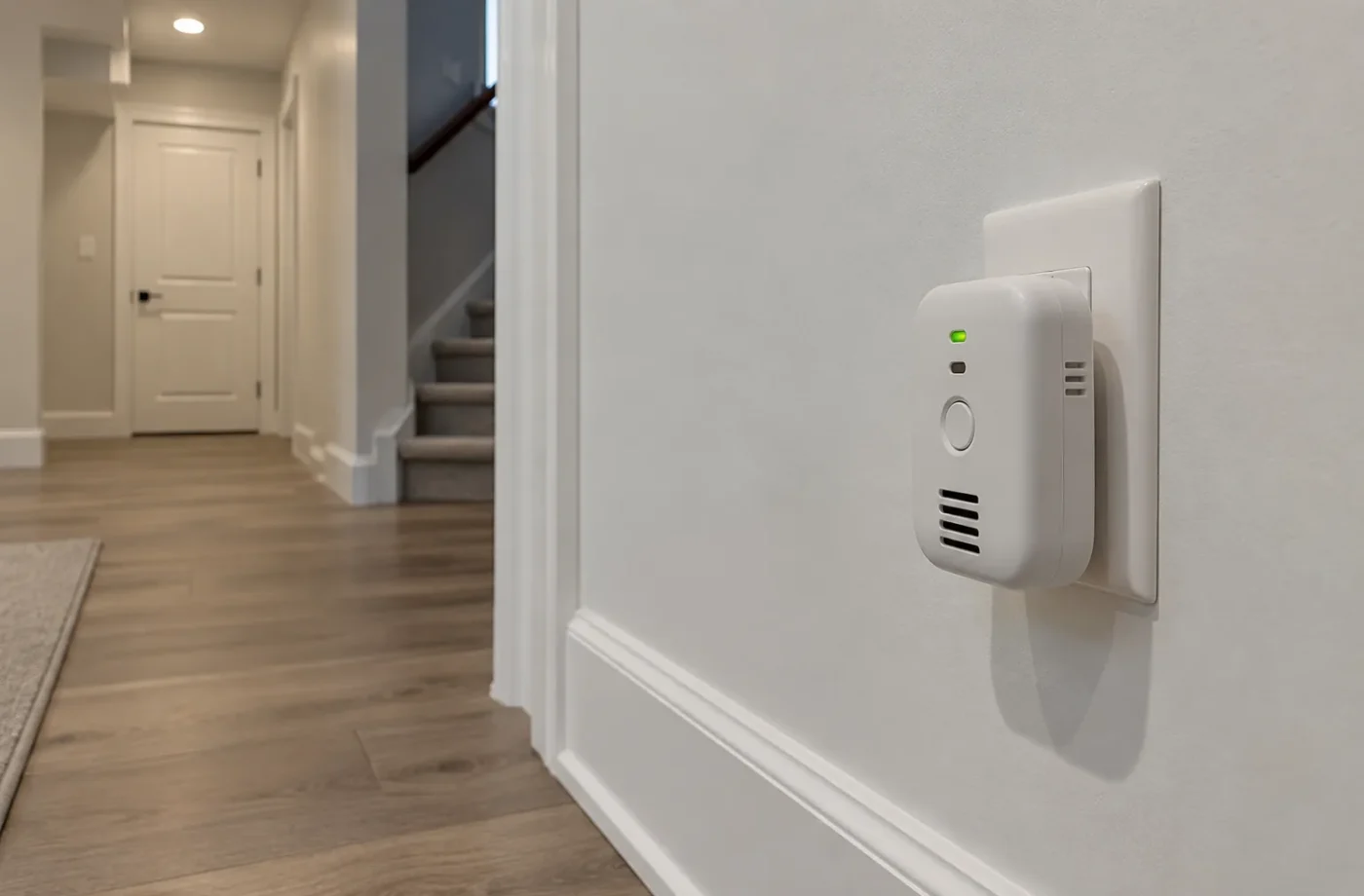
Milton identifies Municipal Law Enforcement and Fire Prevention participation. Its current page says staff check working interconnected smoke alarms, carbon monoxide alarms on each level, intact required fire separations, property standards, clear exterior access routes, accessible sump pumps and furnace rooms. Inspectors also address municipal safety and by-law matters. This published description is helpful preparation, not a guaranteed pass/fail checklist for every building. The applicable code, property condition and any prior approvals can lead to particular questions.
The inspection is not a substitute for construction records
The Town’s building permit inspections examine work under the approved permit. ESA separately reviews notified electrical work. The registry inspection supports an ongoing safety and emergency-response program. These processes can intersect, but a pass in one does not automatically close the others. An existing unit can need investigation or corrective construction if its history is incomplete. Organize each approval by issuing authority so there is no accidental claim that a registry certificate certifies all hidden plumbing or electrical work.
If a concern is found
Ask for the specific Town finding and what documentation or correction is required. A blocked service space may have a different remedy from a missing construction permit or fire separation issue. Record written directions, photos of corrections and the follow-up outcome. Avoid making a blanket promise that a cosmetic adjustment will resolve a structural or permit matter. If work changes the approved unit configuration, determine whether drawings, a new permit, ESA notification or further inspections are needed.
Certificate and validity
If the unit passes the registry process, Milton says it emails a certificate of compliance valid for one year. Save it with the application, fee receipt and inspection correspondence. A certificate is current for its stated period; it does not remain valid forever because the unit remains occupied. Confirm that owner contact details are correct so reminders arrive. The document is separate from the final building inspection record and the ESA Certificate of Acceptance.
Annual renewal during the pilot
Milton currently requires annual renewal and says it sends a reminder about 30 days before expiry. Its three-year pilot has no renewal fee. The Town’s own page describes the renewal channel differently in different sections, so follow the actual notice or confirm current instructions with the Town. Owners attest to current contact information, unchanged unit condition and continued compliance. If the unit was altered or expanded, notify the Town; additional approvals or inspections may be needed before renewal. Do not assume the pilot’s fee policy will remain unchanged indefinitely.
What if an existing unit is unregistered?
Begin by establishing what the unit is and what records exist. The Town says unregistered ARUs can face enforcement and safety consequences, but the correct response depends on the property. A permit record may exist without registration; another unit may need design and corrective work. Request the Town’s current instructions, gather drawings and arrange a targeted assessment rather than hiding the space or promising it will pass from photographs. The aim is to resolve building, electrical and registry questions transparently.
A practical next step
Describe the address, the current layout, who uses the unit, and the records at hand. Review the registration service, inspection guide and existing basement assessment. We can help organize the construction and documentation questions before the Town registry process. Always recheck the Town’s published fee, renewal and inspection instructions at the time you act.
The registry started after many units existed
Milton’s registration program began in 2025, so some older basement apartments may have a construction history from before the registry. That does not create an exemption. It makes careful record gathering important: an older building permit, final inspection and ESA acceptance can inform the present application, while the current unit still has to register. Owners should avoid two opposite assumptions—that every old unit is automatically approved, or that none can qualify because the registration program is newer.
Why the Town separates fees
The Town explains that the building-permit fee relates to reviewing and inspecting construction under the Ontario Building Code. The ARU registration fee supports ongoing by-law, safety and emergency-response functions after construction. The distinction helps an owner understand why two payments and two inspections can be required for one address. ESA notification is another separate process. Include all relevant approvals in a project budget and schedule instead of asking one permit to cover every authority.
Changes after registration are consequential
A current certificate corresponds to a particular unit arrangement and condition. Moving a kitchen, adding a bedroom, changing an entrance or altering service access may require new building approval, electrical notification or a Town review before the annual certificate can be renewed. Keep a log of changes and their documents. The renewal process asks owners to confirm that the ARU has not been altered and remains compliant, so a seemingly small renovation should be screened before work starts.
Respond to a failed or deferred inspection with specifics
Ask which conditions were observed, what standard the Town is applying and how to arrange follow-up. A blocked sump might be addressed differently from an unapproved opening or a fire separation concern. Save the written record and involve a designer or licensed trade when a construction correction is involved. Do not cover the issue cosmetically to get past a visit. A targeted response helps the owner establish a reliable continuing registration record.
Maintain a yearly file
Store the initial application, fee receipt, inspection result, emailed certificate, renewal notices and each renewed certificate. Keep the owner’s contact information current with the Town. Set an independent reminder before expiry in case an email is missed. The Town’s published instructions about the renewal channel are not perfectly consistent, so follow the notice sent for the specific certificate or ask the Town. The important durable fact is the annual obligation and the need to report material changes.
A decision tree for an older unit
If the basement is already self-contained, first ask whether it has a current Town registry certificate. If yes, verify its expiry and whether the current layout matches the registered arrangement. If no, gather permits and plans, then ask the Town about registering the actual unit. If the building or electrical history is incomplete, arrange an assessment and address specific gaps rather than declaring the unit impossible to register. This sequence recognizes that construction approval and registry status are different. It also prevents an old rental history from being mistaken for an exemption.
Common questions
Does a family-occupied ARU need registration?
Yes. Milton says the obligation applies regardless of who lives there.
Does a permit automatically register the unit?
No. Application, fee, registry inspection and certificate are separate.
How long is the compliance certificate valid?
The Town currently says one year, with annual renewal required.