
Milton’s ARU registration inspection is part of the Town’s registry program, not a substitute for construction inspections under a building permit. All new and existing Additional Residential Units must be registered, even if a family member lives in the unit and no rent is charged. After the application and initial fee, the Town schedules an inspection involving Municipal Law Enforcement and Fire Prevention. This guide describes the Town’s currently published areas of review and practical preparation, but an individual inspector may identify property-specific issues. It is not an official pass/fail checklist.
Confirm what is actually being registered
Before applying, establish the property’s unit configuration, civic address, owner contact details, existing permit information and any earlier registration record. A basement built years ago is not exempt merely because it predates the registry. Milton expressly says there are no grandfathering exemptions from ARU registration. If ownership, unit layout or intended use is unclear, resolve those facts before booking an inspection. A Town building permit for earlier construction, when one exists, is relevant but does not automatically create an ARU registry certificate.
Application, fee and scheduling
The current Town page permits an ARU registry application online or at Town Hall. It lists an initial registration fee of $340 per ARU and states that registration inspections are scheduled after payment. Follow the Town’s current payment and scheduling instructions rather than assuming an online submission alone books the visit. Keep confirmation of the application and payment. If the unit is occupied, coordinate access with the occupant in advance; the Town says the appointment should work for both applicant and tenant, and the owner or applicant must be present.
Who attends and which spaces may matter
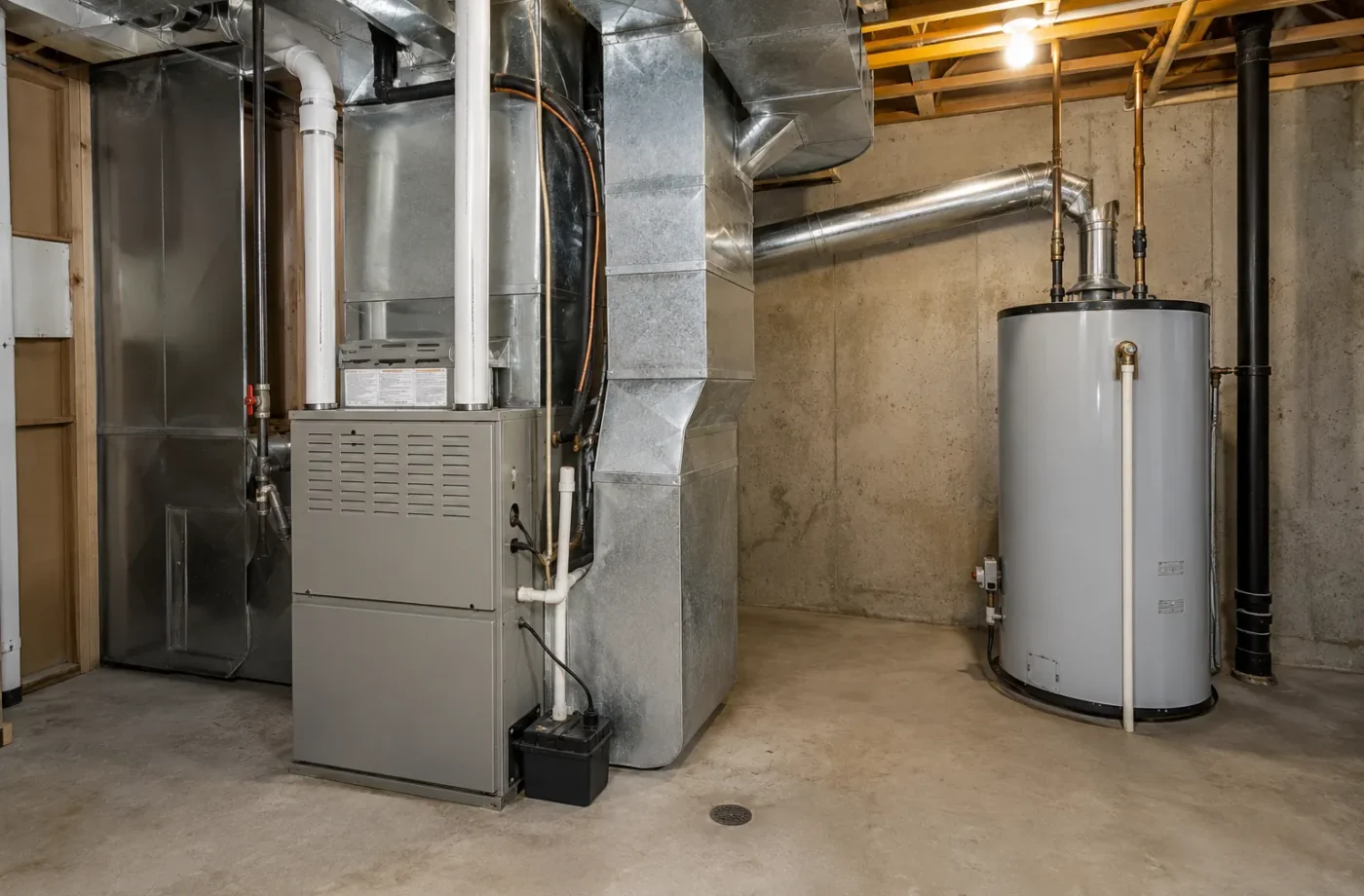
The Town identifies a municipal law enforcement officer and a fire prevention officer for the registry inspection. Inspectors need access to the unit and required areas, which can extend beyond the immediate living room or bedroom. Current Town information specifically mentions accessible furnace rooms and sump pumps. Identify locked doors, stored belongings or blocked service equipment ahead of time so access is not lost on inspection day. The Town says most registration inspections take about 30 minutes, but a homeowner should allow for the actual questions and site conditions.
Alarms and fire safety
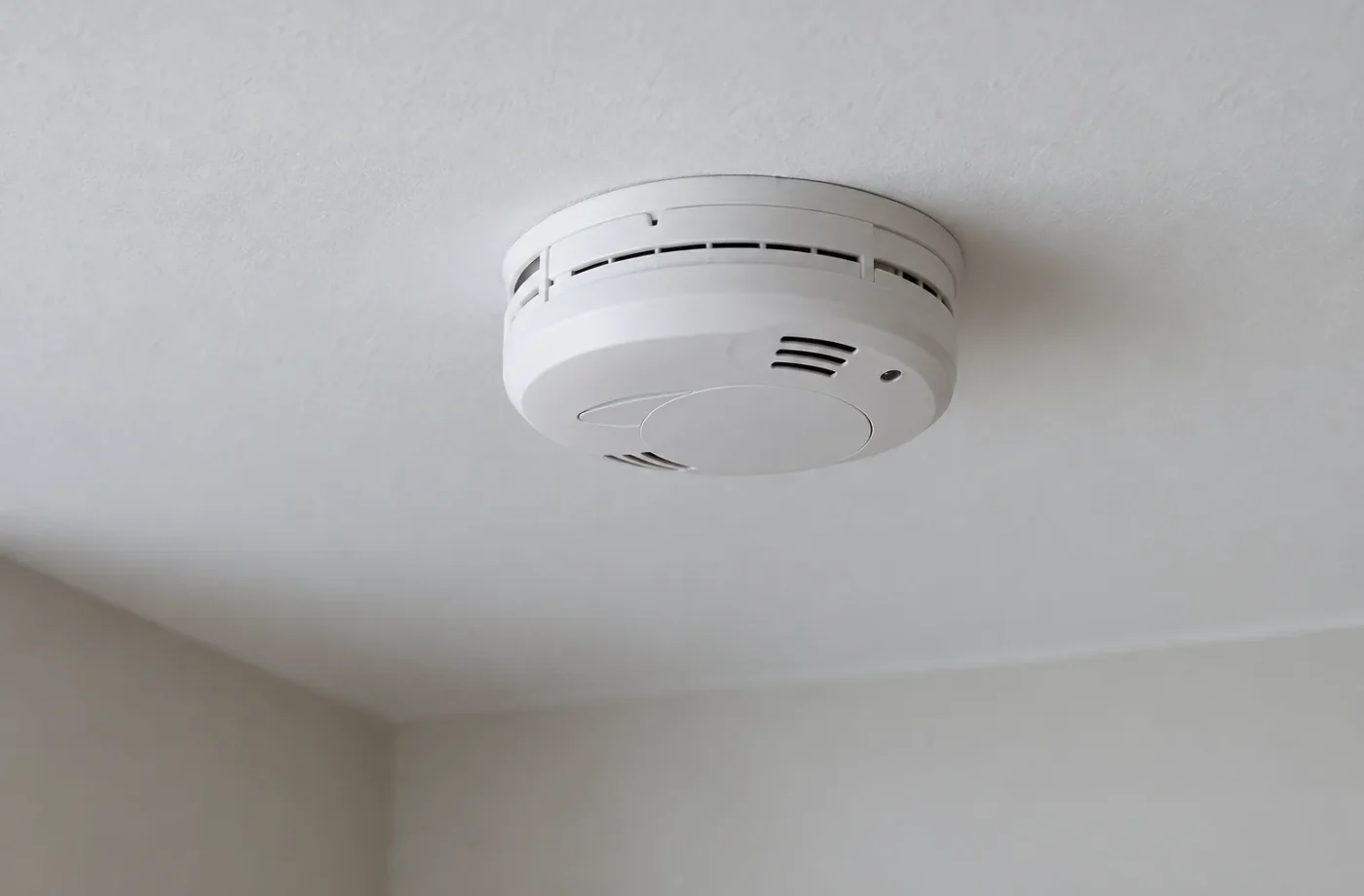
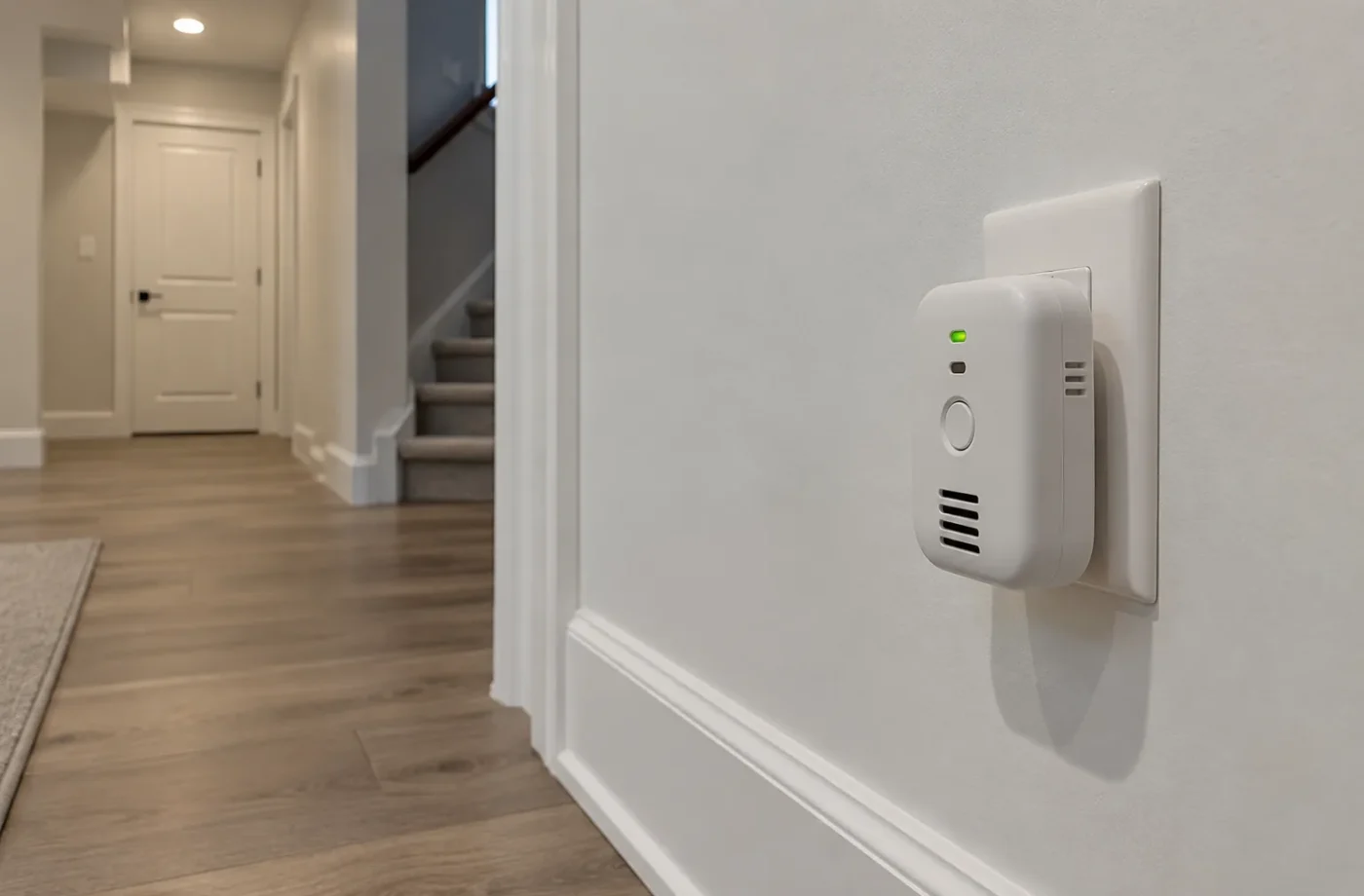
Milton says smoke alarms throughout the home will be tested. Its published inspection areas include working, interconnected smoke alarms, carbon monoxide alarms on each level and intact required fire separations. Do not infer a complete technical design solely from this list; alarm and separation requirements depend on the actual building and applicable code. Ask about missing documentation or visible alterations that could raise questions. A damaged ceiling, unsealed service penetration or blocked alarm can warrant attention before the visit, and electrical/alarm work may need qualified attention and its own approval path.
Exterior access and property conditions
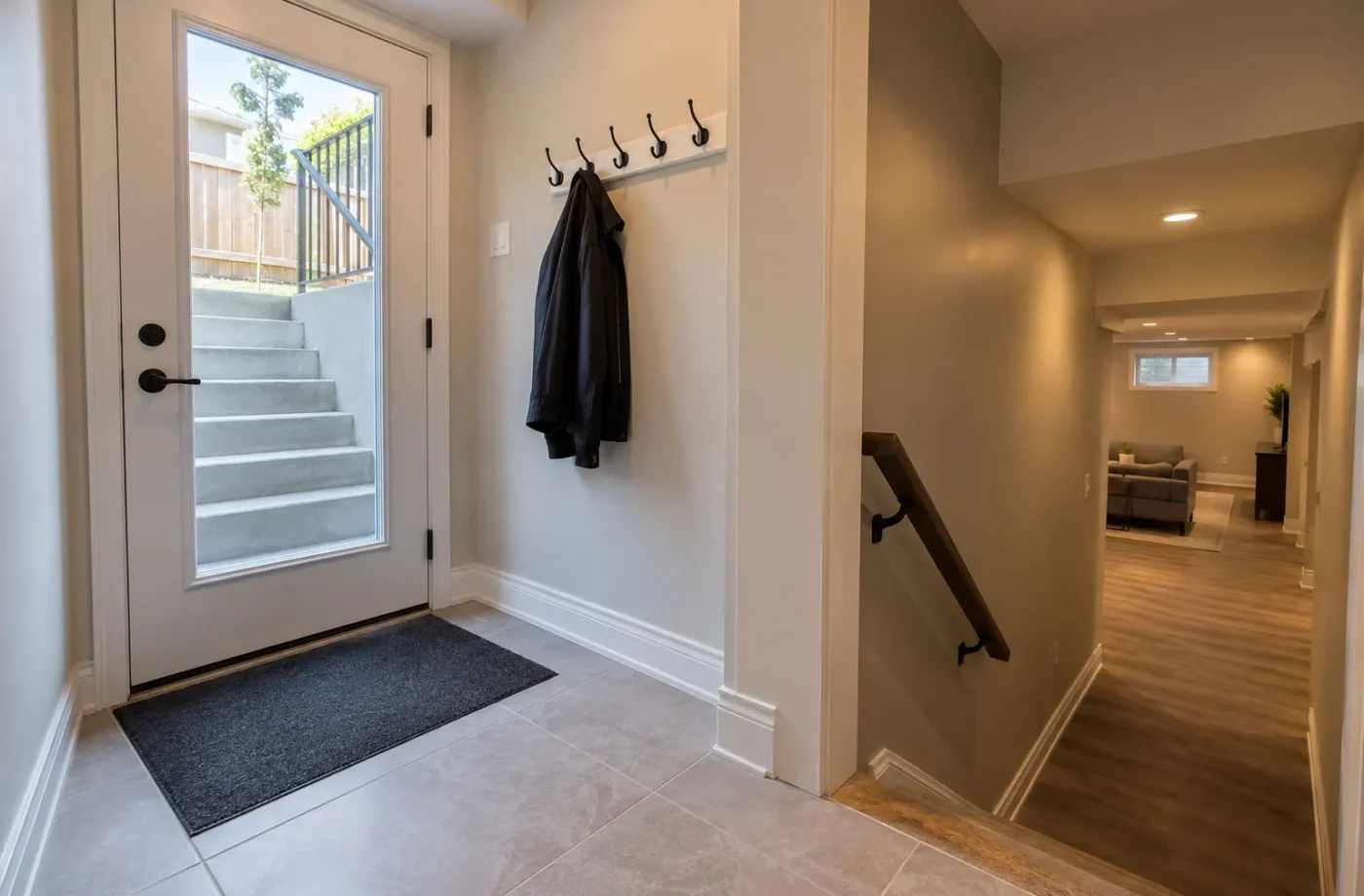
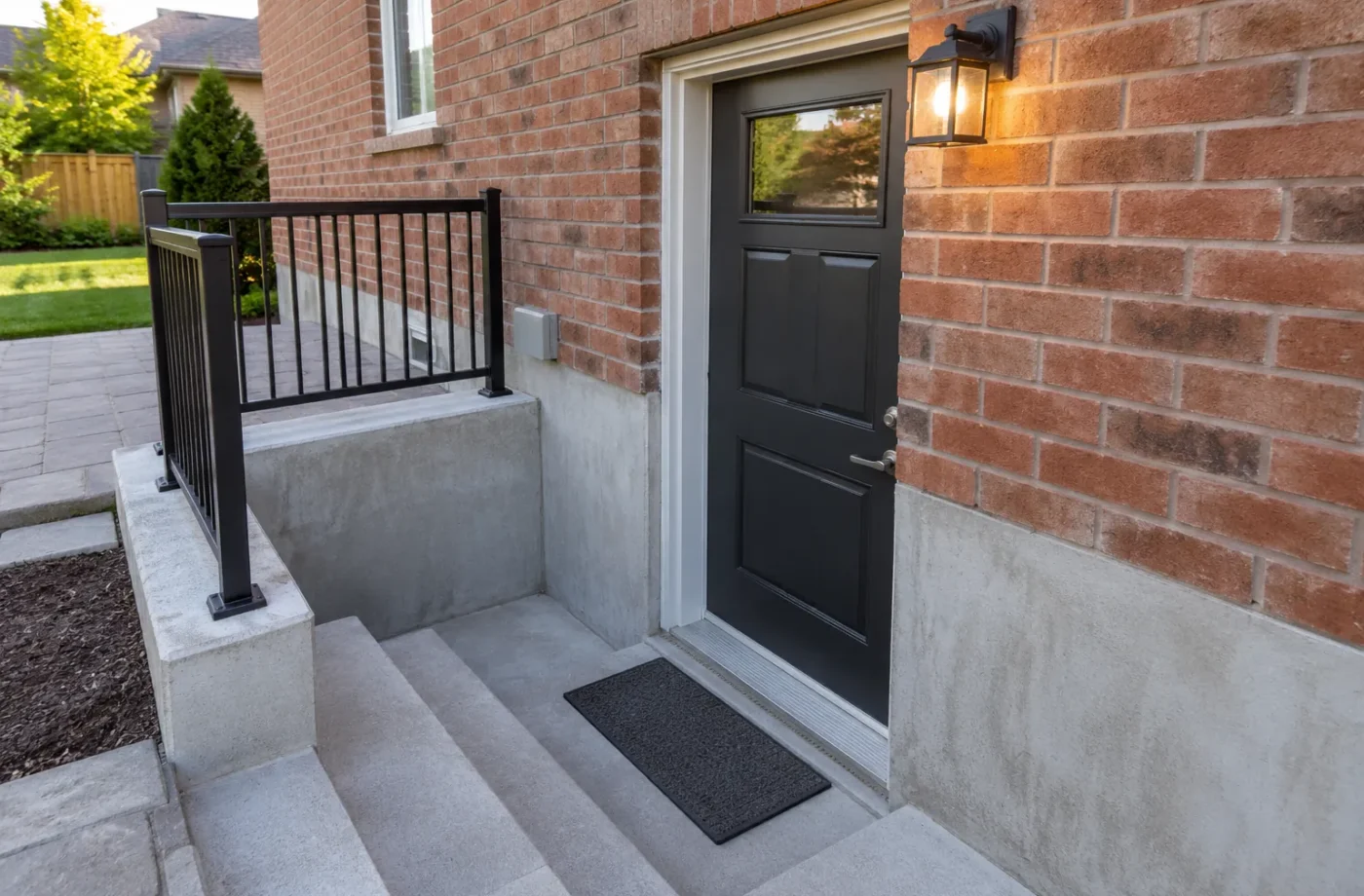
The Town says staff may check that laneways and exterior access routes are clear and that the property meets its Property Standards By-law and other applicable by-laws. Walk the route from the street or parking area to the ARU entrance. Consider obstructions, stair condition, drainage, lighting and access to the address, while avoiding claims that a particular visual feature automatically passes. Verify that the unit can be identified and reached as intended. A registration inspection can identify issues that were not resolved simply by finishing the interior attractively.
Mechanical and service rooms
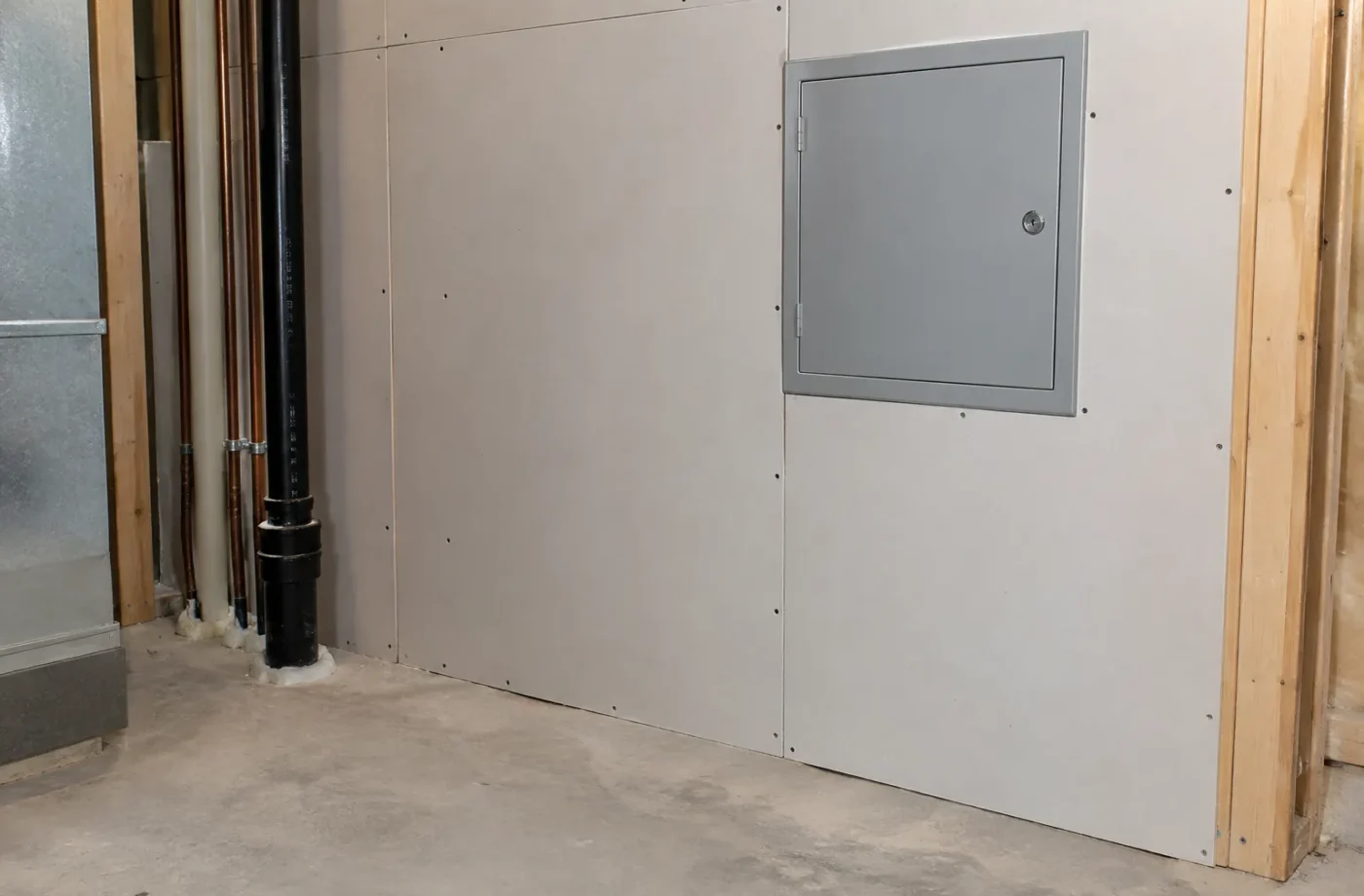
Current Town inspection information calls out access to sump pumps and furnace rooms. In a basement conversion, those features can be hidden behind new partitions or used as storage. Review whether inspectors can reach equipment safely and whether prior work has altered the enclosure or penetration details. Plumbing and heating inspections under a construction permit are separate from the later registration visit; a clean mechanical closet at the registry stage does not substitute for those records. Gather available permit, trade and ESA documents to answer questions about work that is no longer visible.
After an issue is identified
If the inspection reveals a concern, ask the Town to identify the requirement, necessary correction and follow-up process. Some issues are maintenance or access matters, while others can involve construction, permit records or building systems. Avoid immediately closing walls or commissioning unrelated upgrades before understanding the specific finding. Keep written notes, correspondence, photos of corrective work and any new approval documents. A targeted response protects both the timeline and the clarity of the property file; it also prevents a later owner from relying on an unsubstantiated verbal “all clear.”
Certificate and annual renewal
If the ARU passes all registry inspections, Milton says it is registered and the Town emails a compliance certificate valid for one year. Annual renewal is required to keep the ARU in good standing. The Town currently says renewals have no fee during its three-year pilot and a reminder is sent ahead of expiry. Confirm the current renewal channel and deadline in the actual notice. The owner must disclose changes to the unit; alterations can require additional approvals or inspections before renewal. A certificate from last year should not be treated as indefinitely current.
How this fits with construction approval
Building permit inspections review constructed work against the applicable permit and code; ESA separately reviews notified electrical work. Registry inspection concerns the Town’s ongoing ARU safety, by-law and emergency response program. Maintaining the approved drawings, municipal final records, ESA acceptance and registration certificate avoids confusing one with another. If an existing unit has uncertain history, begin with an existing basement assessment; for the full process, read Milton ARU registration and inspection stages.
Prepare documents without assuming they guarantee a pass
Have the application confirmation, prior permit documents, floor plan of the actual units, ESA records if relevant, and earlier registry correspondence available. They help answer what has been built and reviewed, but a document does not excuse a present safety concern. Conversely, a current alarm test does not establish all hidden construction history. Label the documents by authority and date. If there is a discrepancy between drawings and present layout, disclose it and ask about the proper way to correct the record.
Walk the route before the appointment
Start at the street and approach the ARU as a visitor or responder would. Is the civic number visible? Is the intended path blocked by bins, snow storage or a locked gate? Can a person reach the entrance and interior service rooms without moving piles of belongings? The Town specifically mentions clear laneways and exterior access, and accessible furnace rooms and sump pumps. This exercise is practical preparation, not a claim that a clear path resolves every zoning or fire requirement.
Treat alarm and separation concerns as systems
A smoke alarm is more than a device mounted in one room. The Town’s registry information mentions interconnection throughout the building and carbon monoxide alarms on each level. Required separations can be disrupted at ceiling penetrations, doors or repairs. Have appropriately qualified people assess changes instead of painting over an opening or installing a device without determining the applicable design. If the Town identifies a concern, obtain its precise direction; the proper correction can differ from what a general photograph suggests.
Renewal is a continuing owner responsibility
A one-year certificate makes the registry an ongoing property record. Keep an accessible digital copy, current email contact and reminder before expiry. When renewing, Milton asks owners to confirm whether the unit has been altered and continues to meet applicable standards. A new bedroom, moved kitchen, altered entrance or equipment change should prompt questions about further approvals before a routine renewal declaration. Follow the Town’s current renewal notice, particularly because its web guidance uses inconsistent wording about the submission channel.
An older unit is not invisible to the program
If an apartment predates the current registration program, gather whatever permit, inspection and electrical records exist and show the present room arrangement. The Town says no ARU is exempt merely by age. That statement does not mean every old unit must be demolished or is automatically disqualified. It means the owner should engage the registration process and resolve specific issues that arise. A targeted existing-condition review can organize questions before submitting, while the Town remains the authority for the actual registry outcome.
Plan for a continuing record
The inspection is one event within an annual program. After receiving a certificate, note its expiry and retain the version of the floor plan that describes the unit. Keep contact information current so Town notices reach the responsible owner. During the year, maintain exterior access, alarms, required separations and service-room access; do not wait for renewal to clear a blocked furnace or sump area. If construction changes the layout or building systems, ask whether a permit, ESA notification or new registry review is necessary. When a concern is identified, respond to the exact written finding and keep evidence of correction. A later buyer or manager should be able to see the certificate, renewal history and approved changes rather than relying on a verbal account. The Town remains the authority for whether a particular property passes and how an altered unit renews. Recheck published inspection and fee instructions when applying because a pilot program can change.
Common questions
Do family-occupied ARUs have to register?
Yes. Milton says all ARUs must register regardless of who lives there.
Is a building permit final inspection the registry inspection?
No. The registry visit is a separate municipal process involving Municipal Law Enforcement and Fire Prevention.
Is this a guaranteed inspection checklist?
No. It summarizes areas the Town currently identifies; the actual inspection and any corrections depend on the property.