
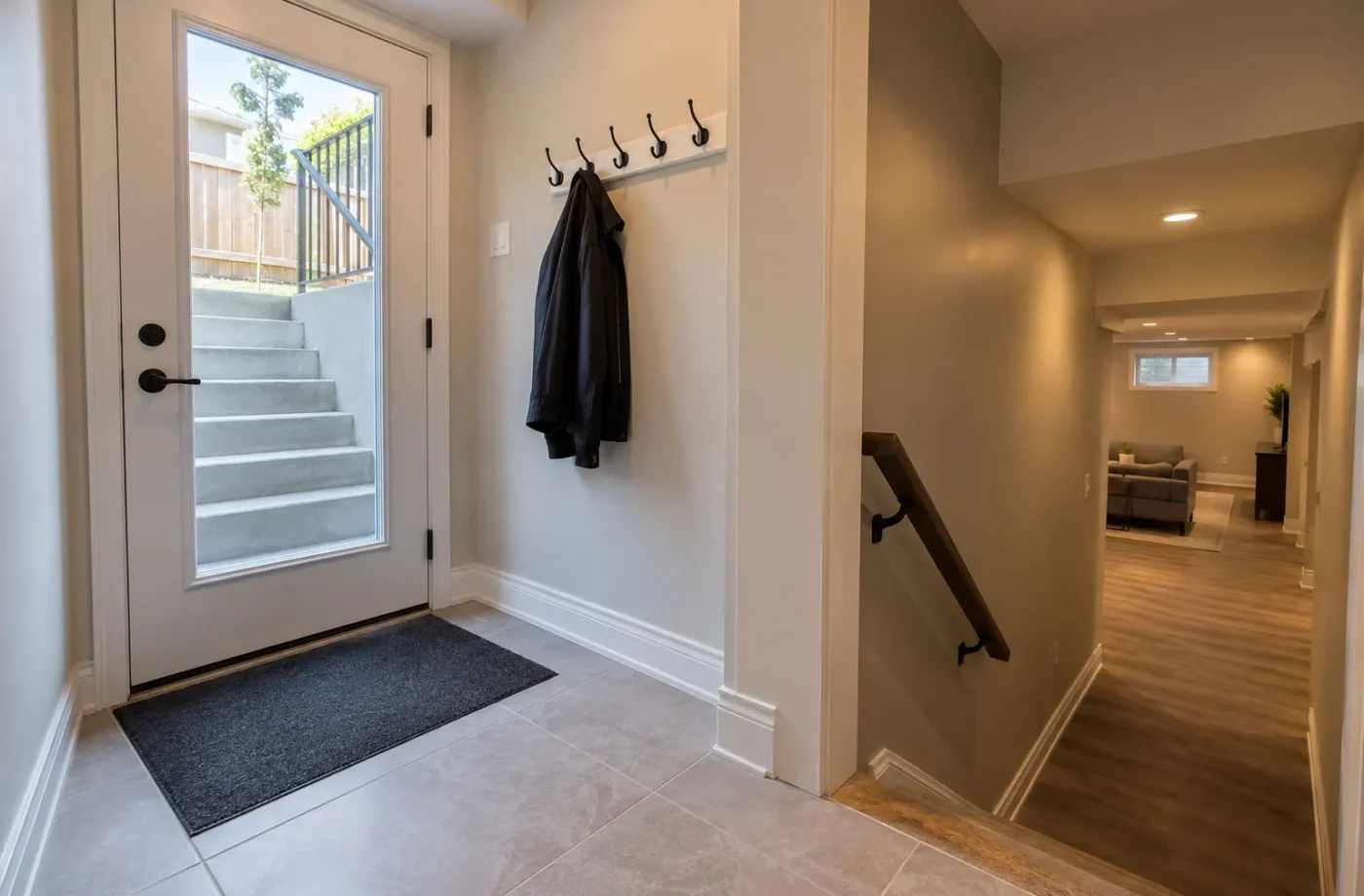
Milton requires owners to register new and existing Additional Residential Units (ARUs). The rule includes units occupied by family and units that are not rented. The Town’s registration review is a separate municipal step from a building permit and its inspections. Establish what approvals and records exist, then address the current registration application, municipal inspections, compliance certificate and renewal.
What registration covers—and what it does not
The public phrase “legal basement apartment” is not the Town’s official classification. Milton calls qualifying secondary units Additional Residential Units, also described as accessory dwelling units in some Town material. A finished family basement without a separate dwelling use should not automatically be treated as an ARU; nor does an owner’s preferred name determine classification. Discuss the actual room arrangement and occupancy with the Town.
The current Town program applies to both new ARUs and existing ones, regardless of whether rent is charged. A construction permit authorizes reviewed work, and building inspections verify relevant construction. ARU registration has its own application and inspections. Previous ownership, longstanding use or a passed building final does not automatically place the unit on the registry. Conversely, registration should never be advertised as a way to bypass missing required construction approvals.
Application and records to organize
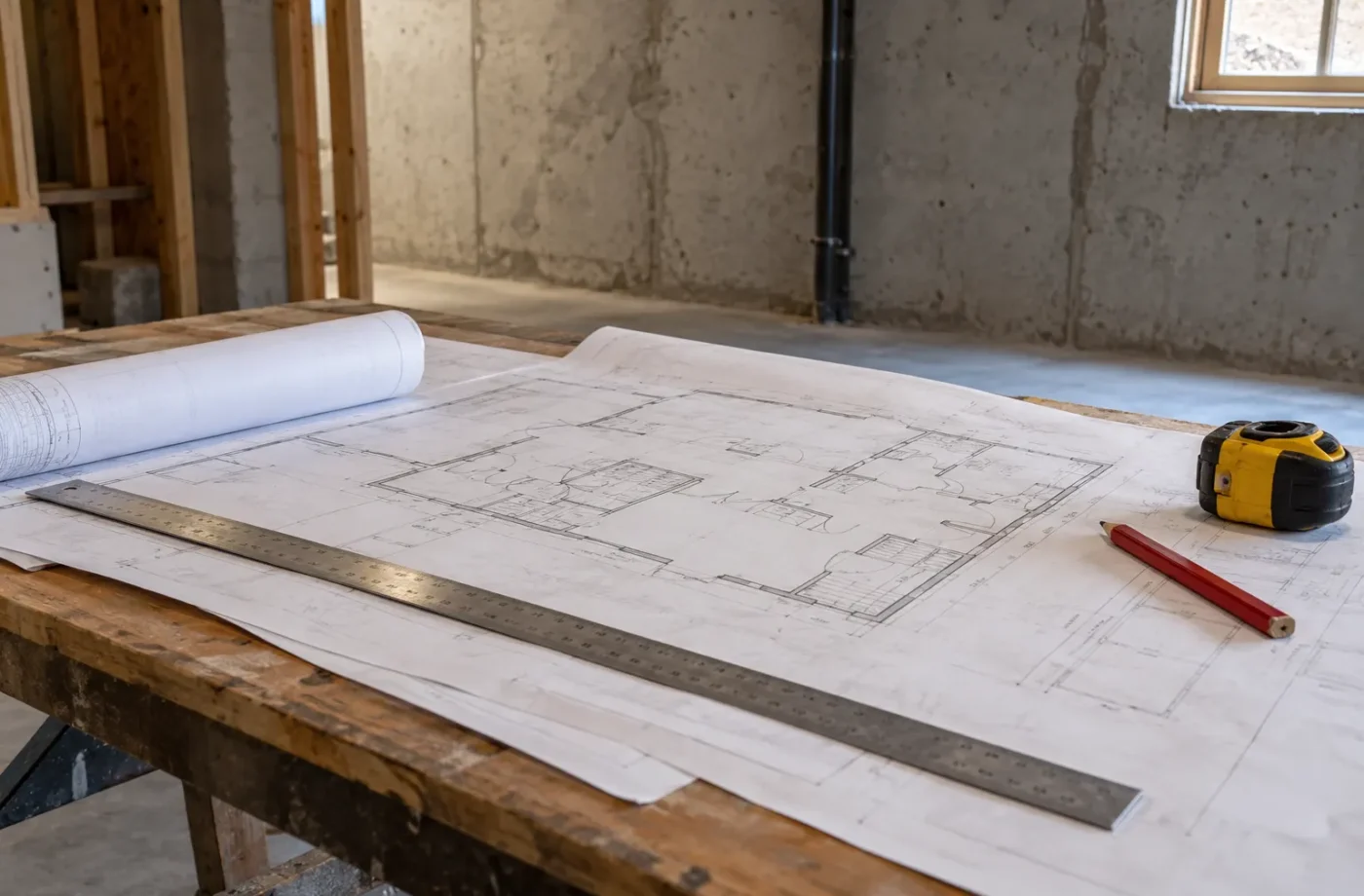
The owner can apply through the Town’s current online route or at Town Hall. The current initial registration fee is $340 per ARU. Milton’s registration by-law calls for a floor plan of all dwelling units and their room uses with the application, along with further documentation the Town may require. Gather property identification, prior permits, approved plans, inspection records, electrical documentation and any earlier registration or compliance papers. Keep the documents together so conflicting records can be explained.
If the unit was built years ago, find out whether the Town already has a file. An old basement permit may cover family-space finishing rather than the present self-contained use. A separate entrance or previous lease does not answer that records question. If there is an order or notice, retain the correspondence and discuss the required response with the issuing authority before altering concealed construction.
Municipal inspection and certificate
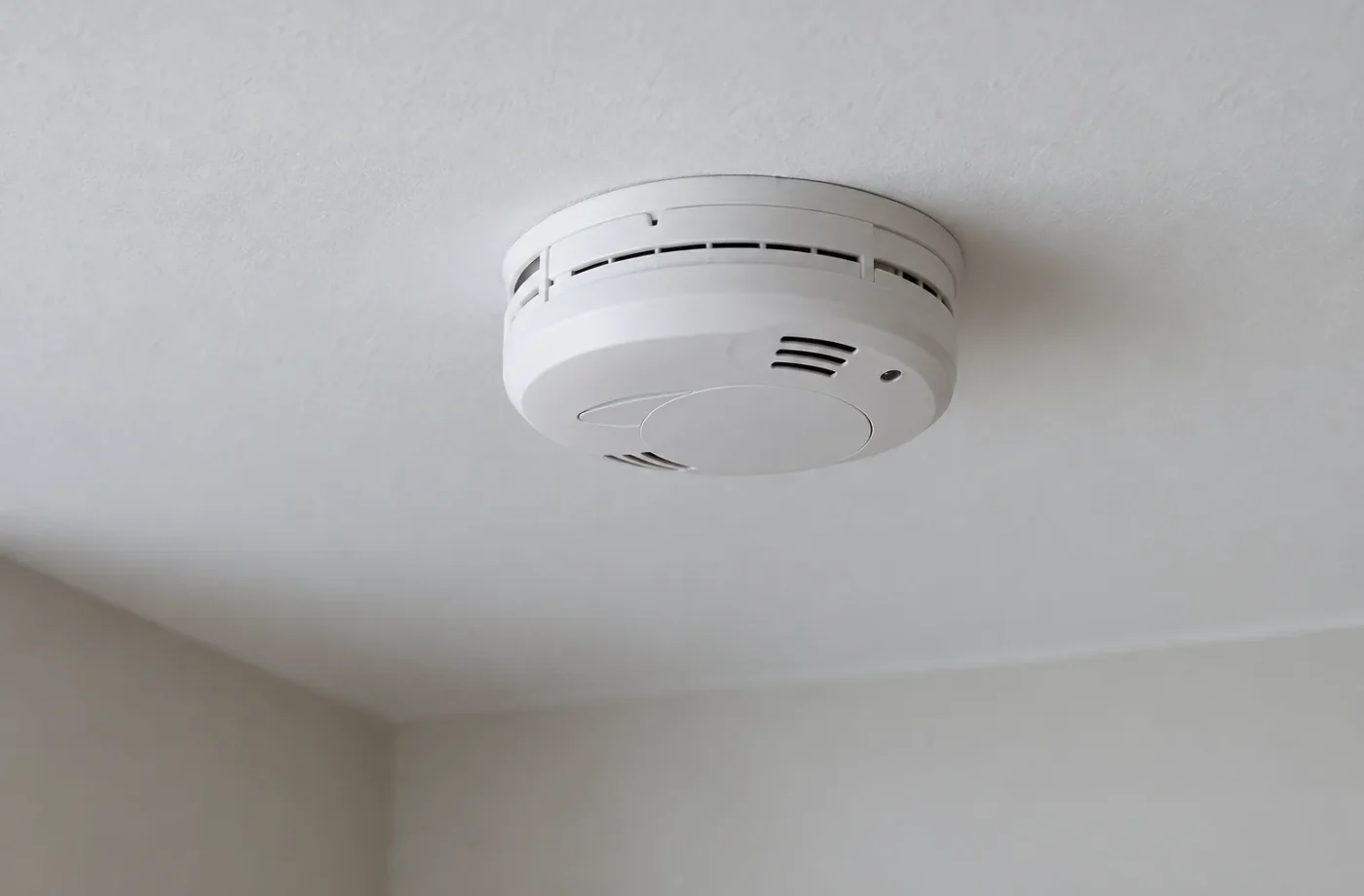
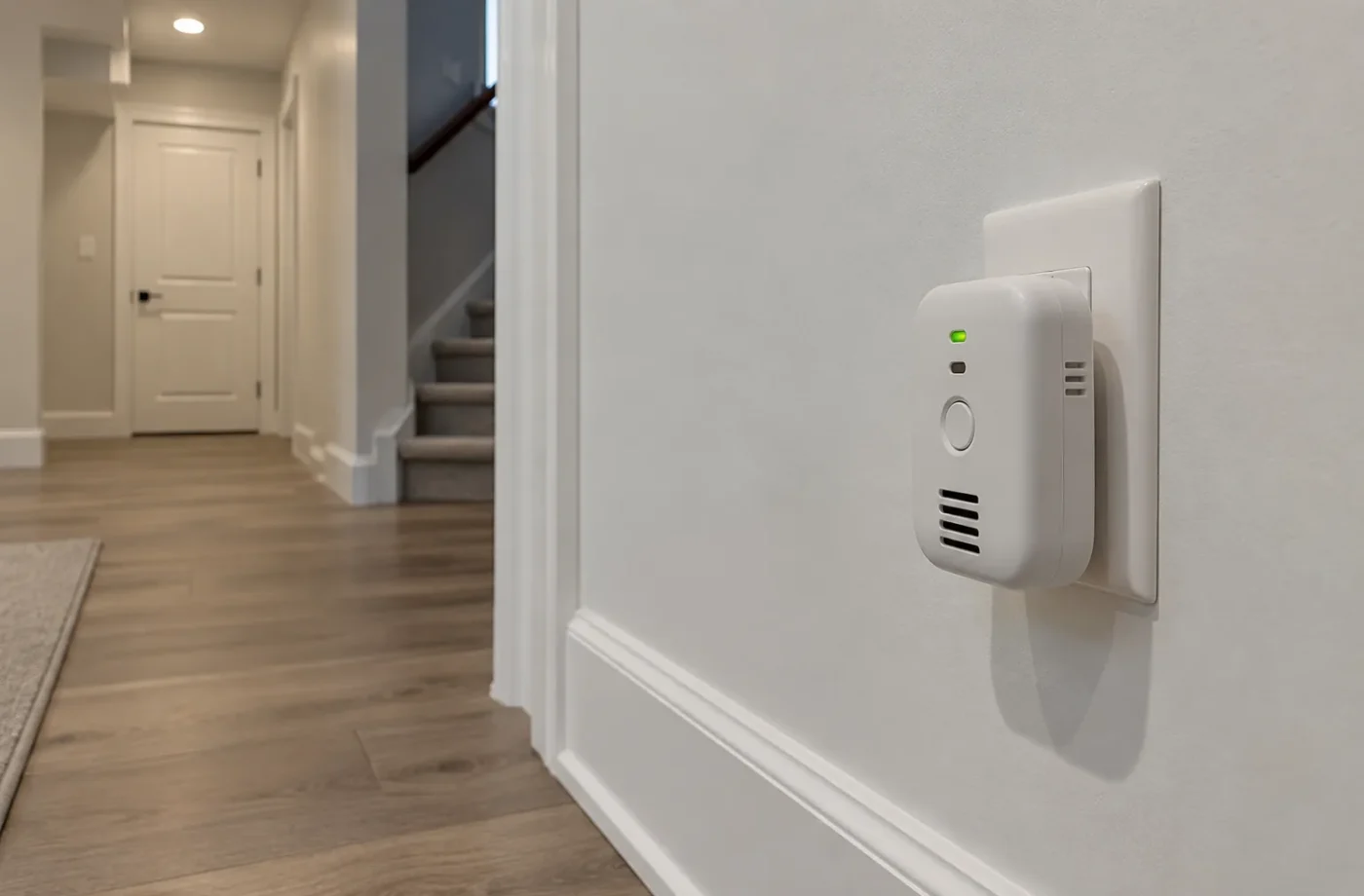
Town guidance identifies Municipal Law Enforcement and Fire Prevention as the inspection participants. Current published topics include interconnected smoke alarms, carbon monoxide alarms, fire separations, clear exterior access, property standards and accessible sump or furnace-room conditions. The actual inspection may depend on the unit and the Town’s current process; a webpage list is not a guaranteed pass/fail checklist. Prepare accessible records and spaces and address deficiencies the inspectors identify.
If the unit passes the municipal registration review, the Town emails a compliance certificate. Current Town information says the certificate is valid for one year and the owner must renew annually. The Town currently says no renewal fee is charged during its three-year pilot program. Program details may change, so check the current renewal notice and requirements before the certificate expires. Do not present an initial fee as an annual charge or infer that renewal is automatic.
New unit, existing unit and changed unit
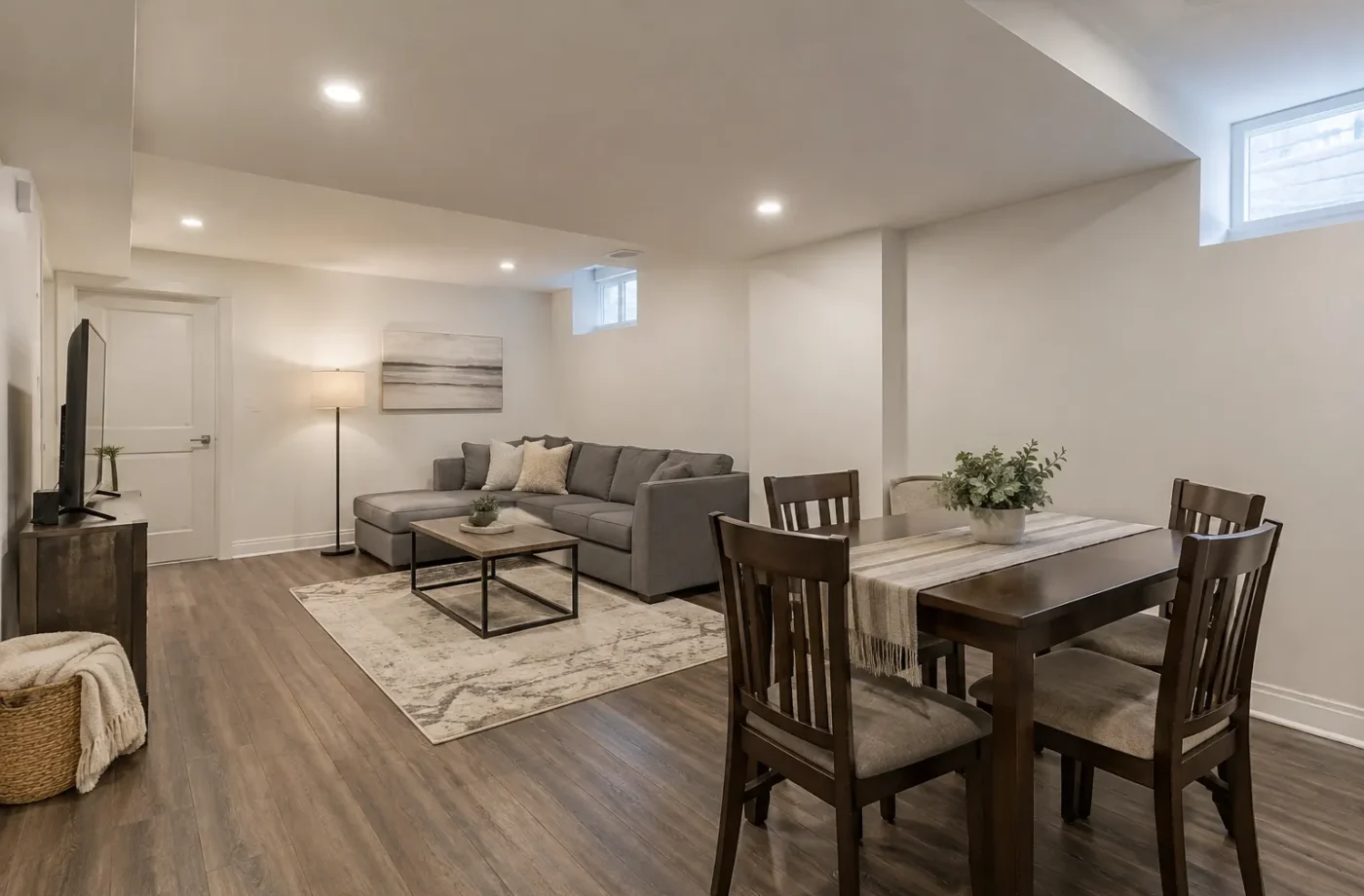
For a newly constructed basement ARU, the design, permit, construction inspections and applicable electrical process must be addressed before registration is treated as complete. Build the application and document handoff into the project schedule. A successful building final is useful evidence, but it does not itself create the registration certificate.
For an existing apartment, compare present layout and use with Town records. Some units may need corrective design, permits or inspections before they can satisfy registration. Registration by-law treatment can also involve existing lawful nonconforming situations; the answer is property-specific. Avoid declaring every older unit eligible or ineligible without municipal review. If a registered unit is altered or expanded, current Town guidance calls for notifying the Town; new approvals or inspections may be needed before renewal.
The practical sequence for the homeowner
Ask for the property records, document every unit and room use, and confirm the required building and electrical approval status. Then submit the Town registration application with the requested plan and supporting records, arrange the municipal review, respond to any identified deficiencies and retain the issued certificate. Set a reminder to renew before its one-year validity ends. This describes the relationship between steps; the Town determines the exact application and inspection requirements.
Keep the certificate, approved drawings, permits, electrical acceptance and correspondence available for future changes or a property transaction. A verbal statement that a unit is “legal” is much less useful than a coherent record. If you are unsure whether the present arrangement qualifies as an ARU, ask the Town to assess the property and use before relying on an online checklist.
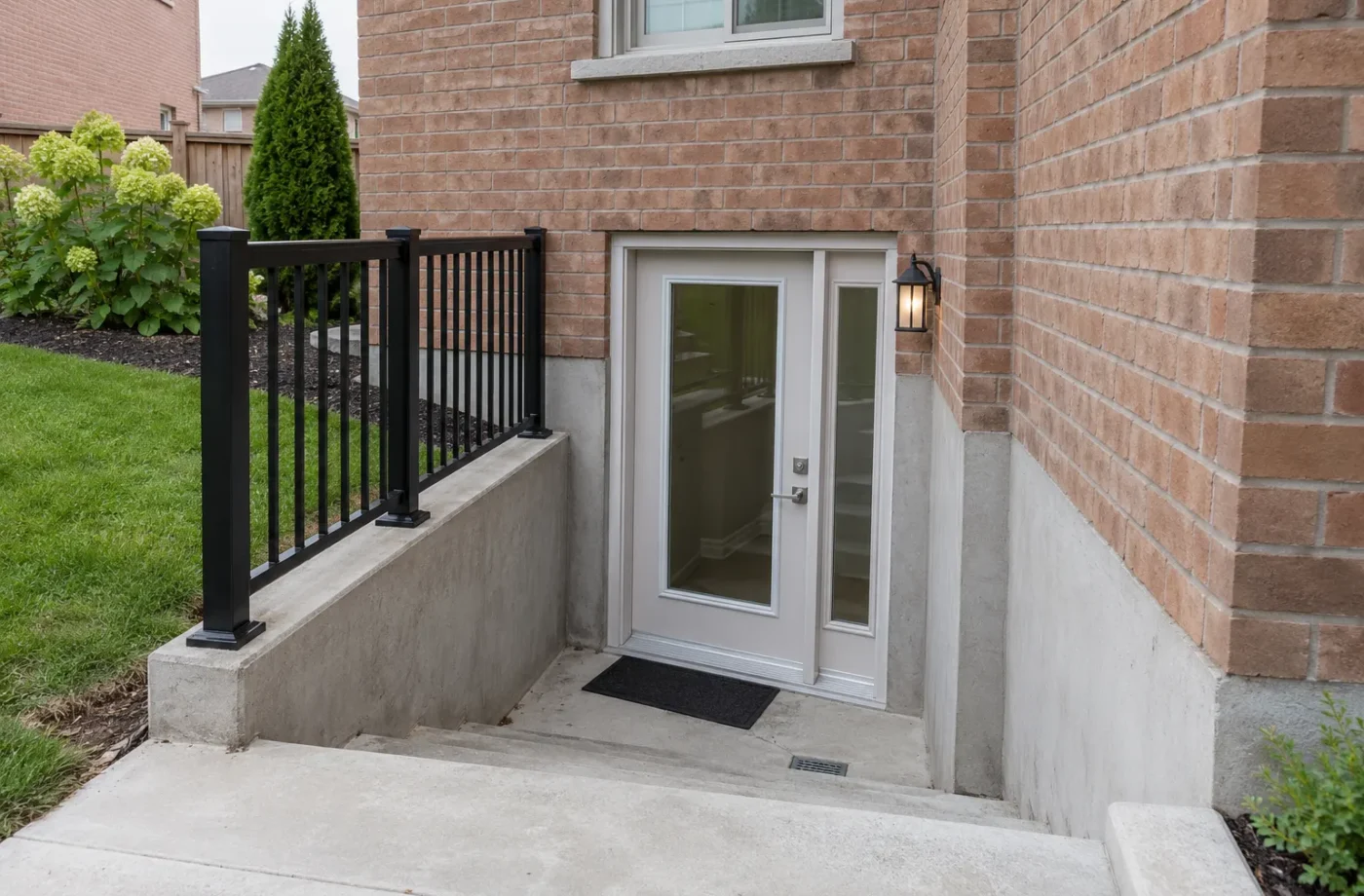
Questions for Milton ARU Registration
- Does Town registration already exist for this address, and which unit or configuration does it describe?
- Are the basement and other dwelling floor plans current and consistent with their stated room uses?
- What construction approvals and ESA records support the existing or newly completed work?
- Is the initial $340 fee applicable to this application, and what current form and documents does the Town request?
- Can inspectors access alarms, fire separation areas, exterior route and relevant mechanical or sump spaces?
- When will the one-year certificate expire, and what renewal instructions are then in effect?
- Have alterations or an expanded unit changed the registered configuration?
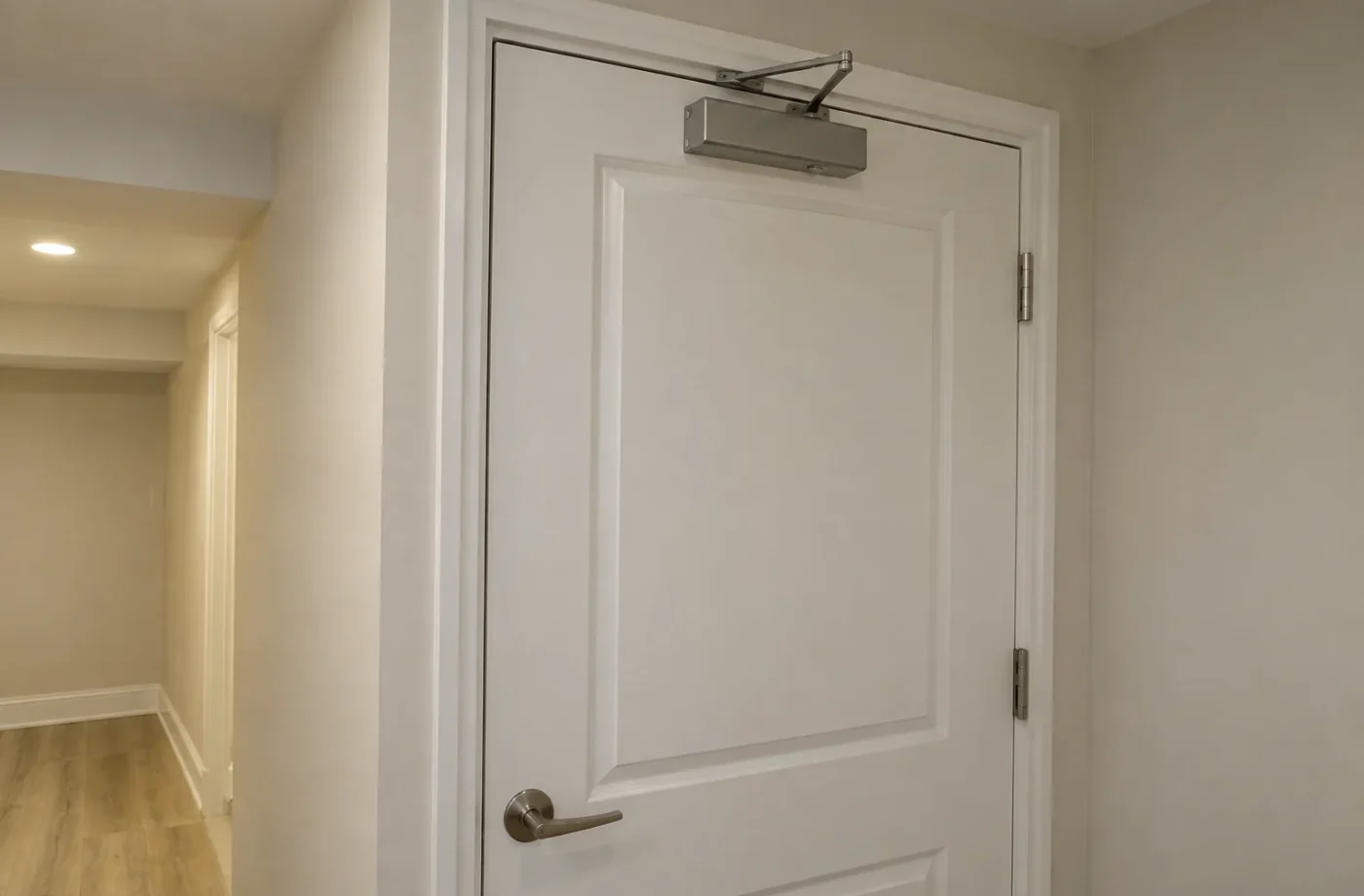
Carry a built or existing unit into the Town registry
First establish what is being registered. Milton’s registry applies to all new and existing Additional Residential Units, including family-occupied and non-rental units. Describe each dwelling on the property and the room uses within it. Gather the approved construction plans, permit and inspection history, ESA electrical documents and any earlier registration correspondence. For a newly built unit, distinguish the final building status from the registry application. For an older apartment, identify changes made after earlier approvals. A prior permit, rental history or age of the apartment does not automatically establish its current registration status.
Milton currently allows an application through its online route or at Town Hall and lists a $340 initial fee per ARU. The Town’s registration by-law calls for a floor plan of all dwelling units and room uses, with additional information as requested. Payment is required before the registration inspection is scheduled under the current Town guidance. Keep the application and payment confirmation. If a tenant lives in the unit, coordinate the appointment and required access. The owner or applicant must attend. The Town’s actual instructions control the submission and scheduling details at the time of application.
Municipal Law Enforcement and Fire Prevention participate in the Town registration inspection. Current published review areas include working interconnected smoke alarms, carbon monoxide alarms on each level, intact required fire separations, property standards, clear exterior routes and access to furnace rooms and sump pumps. These areas help prepare the property but are not a guaranteed pass/fail checklist. If inspectors identify a concern, obtain the specific direction in writing. A blocked service area, an altered opening and an undocumented assembly can call for different responses, including separate building or electrical review where applicable.
If the unit passes, Milton emails a compliance certificate valid for one year. Annual renewal is required; there is no renewal fee during the Town’s current three-year pilot. Save the certificate and set a reminder before expiry. The Town’s page is inconsistent about the exact renewal submission channel, so follow the notice for the certificate or confirm current instructions. An alteration to the unit may require new approvals or inspections before renewal. The continuing file should contain the plans, construction and electrical records, registration inspection result and every renewed certificate. Registration and a building permit serve different purposes throughout this sequence.
At renewal, compare the present unit with the plan on file. A moved kitchen, added sleeping room, changed entrance or enclosed equipment area can change the questions the Town asks, even if the owner considers the work minor. Record modifications and seek the appropriate approval path before attesting that the unit is unchanged. Keep contact details current so the renewal notice reaches the person responsible. These simple record practices are especially important where ownership or occupancy changes during a certificate year.
Common questions
Does a family-occupied basement ARU need registration?
Yes. Milton’s current ARU information applies registration to units occupied by family and to units that are not rented. Whether a particular basement is an ARU still depends on its use and configuration.
Does a building permit automatically register the unit?
No. Permit approval and Town building inspections are distinct from the separate ARU registration application, municipal inspections and compliance certificate.
How long is the current certificate valid?
The Town currently says one year, followed by annual renewal. Its pilot program currently has no renewal fee. Confirm the instructions and fees when renewal is due because programs can change.
Can I register an existing unit with missing permits?
Do not assume the registration fee replaces required construction approval. Obtain the property records and ask the Town what review or corrective work is required for the actual unit.
Related services and planning resources
The following pages explain connected decisions in more detail: Milton registration inspection guide, Existing basement assessment, Building permit applications, Electrical and ESA guide, Milton ARU zoning and eligibility. Each project still needs its own property and scope review.
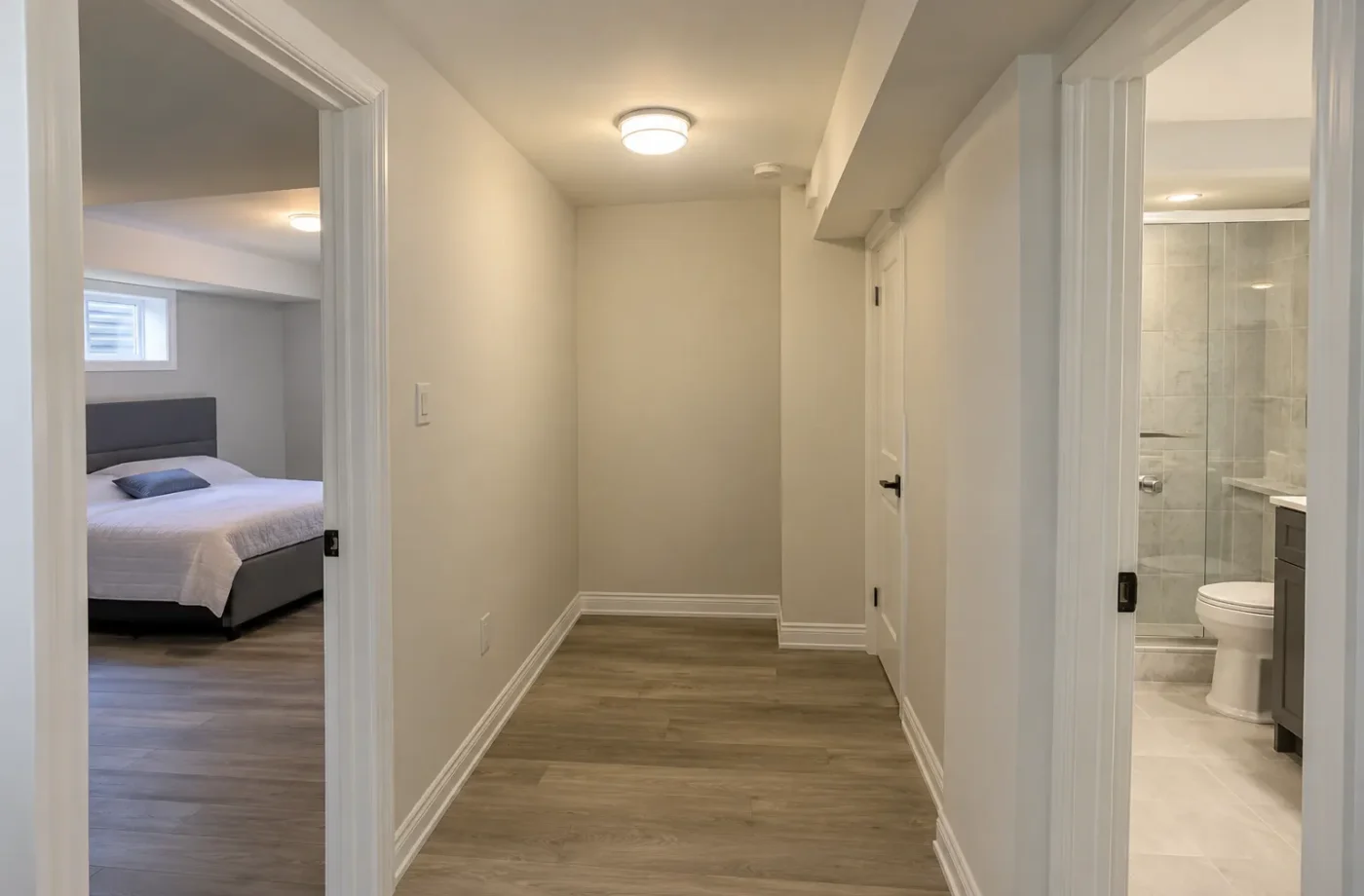
Talk about milton aru registration
Tell us whether your Milton ARU is new or existing, its room arrangement, the permit and ESA records you hold and whether a Town certificate is current. We can help organize construction questions before or alongside the Town’s registry steps.